 blog
North End vs the Bench: A 2026 Housing Comparison
Table of Contents
- North End vs the Bench: Key Differences at a Glance
- North End Boise Housing Prices and Market Trends
- Boise Bench Homes for Sale: Inventory and Affordability
- Home Styles: Boise Historic Homes in the North End and Bench Character
- Boise Homes with Basements: What You'll Find in Each Neighborhood
- Location, Commute, and Walkability: Downtown Access and Amenities
- Schools, Parks, and Community: Which Neighborhood Fits Your Lifestyle
- Making Your Decision: Total Cost of Ownership and Investment Potential
- Frequently Asked Questions
Last Updated: October 21, 2026
North End vs the Bench: Key Differences at a Glance
North End vs Bench housing represents Boise's two most-compared residential areas, usually framed as charm versus space. That framing is true but incomplete.
Here is the side-by-side that most neighborhood guides skip. Figures are the most recent neighborhood-level estimates available at the time of writing and are labeled by source and period so you can verify them before you make an offer.
| Factor | North End | Bench |
|---|---|---|
| Median sale price | $755,000 (three months ending September 2026, Redfin) | Typically $150,000-$250,000 lower for a comparable bed/bath count; varies sharply by sub-area (see below) |
| Average estimated home value | $732,438, up 5.7% year over year (Zillow) | Lower on average; newer infill and West Bench blocks run closer to North End pricing |
| Price per square foot | Higher, smaller homes on smaller lots push $/sq ft up | Lower, larger homes on larger lots spread cost across more square footage |
| Typical home age | 1900-1940s, with some mid-century infill | 1950s-1970s dominant, plus 1990s-2020s infill and new construction |
| Lot size | Small, often 4,000-6,000 sq ft | Larger, commonly 6,000-9,000+ sq ft depending on sub-area |
| Basements | Uncommon; crawl spaces and partial basements typical | More common, especially in mid-century and newer builds |
| Walkability | High, grid streets, sidewalks, short walk to downtown-adjacent retail | Moderate, sub-area dependent; Central Bench is walkable, outer Bench is car-oriented |
| Commute to downtown | 5-10 minutes by car or bike; walkable for some residents | 10-20 minutes by car depending on sub-area and freeway access |
| Historic-district rules | Apply in and near the North End historic district; exterior changes need approval | Generally no historic-district overlay; standard permitting |
| Inventory feel | Tight; well-priced homes draw multiple offers | More available; less bidding pressure, more time to decide |
| Best fit for | Buyers prioritizing walkability, character, and scarcity | Buyers prioritizing square footage, yard space, and lower entry price |
Two data caveats matter. First, the North End's median sale price fell 5.7% year over year while average estimated value rose 5.7%, not a contradiction, but different methodologies (closed sales versus modeled valuations) and different mixes of homes sold.
North End Boise Housing Prices and Market Trends
The North End's pricing reflects its desirability and limited inventory. Recent Boise real estate market insights note that homes in both neighborhoods were selling quickly in mid-2026, with sold prices close to original asking prices, a sign of sustained demand in a tight market.
The $755,000 median sale price represents a 5.7% year-over-year decline, suggesting some cooling after years of rapid appreciation, a window for buyers, and a signal to sellers to price realistically. Smaller lots and older homes mean factoring renovation and maintenance costs into total ownership.
Historic North End homes carry charm and responsibility. Many feature original character, hardwood floors, built-in shelving, and architectural details buyers value, but older homes often need foundation work, roof replacement, electrical updates, or plumbing modernization.
The North End market remains competitive: days on market stay low and multiple offers are common for well-priced properties. If you're financing through a bank, move decisively with pre-approval in hand.
Boise Bench Homes for Sale: Inventory and Affordability
The Bench is not one neighborhood but a collection of distinct sub-areas with different price points, housing stock, and buyer profiles.
Central Bench. The most walkable and most varied part of the Bench, running roughly from the Boise River south toward Franklin Road and between Curtis and Broadway.
West Bench. Generally west of Curtis Road toward the interstate and Cloverdale. Stock skews newer, 1970s through 2000s, with more square footage, attached garages, and larger lots.
Southeast Bench. Toward the airport and the Broadway/Boise Avenue corridor.
North Bench / River edge. The strip closest to the Boise River and the Greenbelt commands a premium.
On inventory and affordability: the Bench generally offers more square footage per dollar than the North End, more available listings, and less bidding pressure.
For current, dated figures, median sale price, price per square foot, days on market, and active inventory by sub-area, pull the latest Redfin Bench housing market data and Zillow Bench home value estimates reports, and ask your agent for closed-sale comps within the specific sub-area. Bench-wide averages are a starting point, not a decision tool.
Home Styles: Boise Historic Homes in the North End and Bench Character
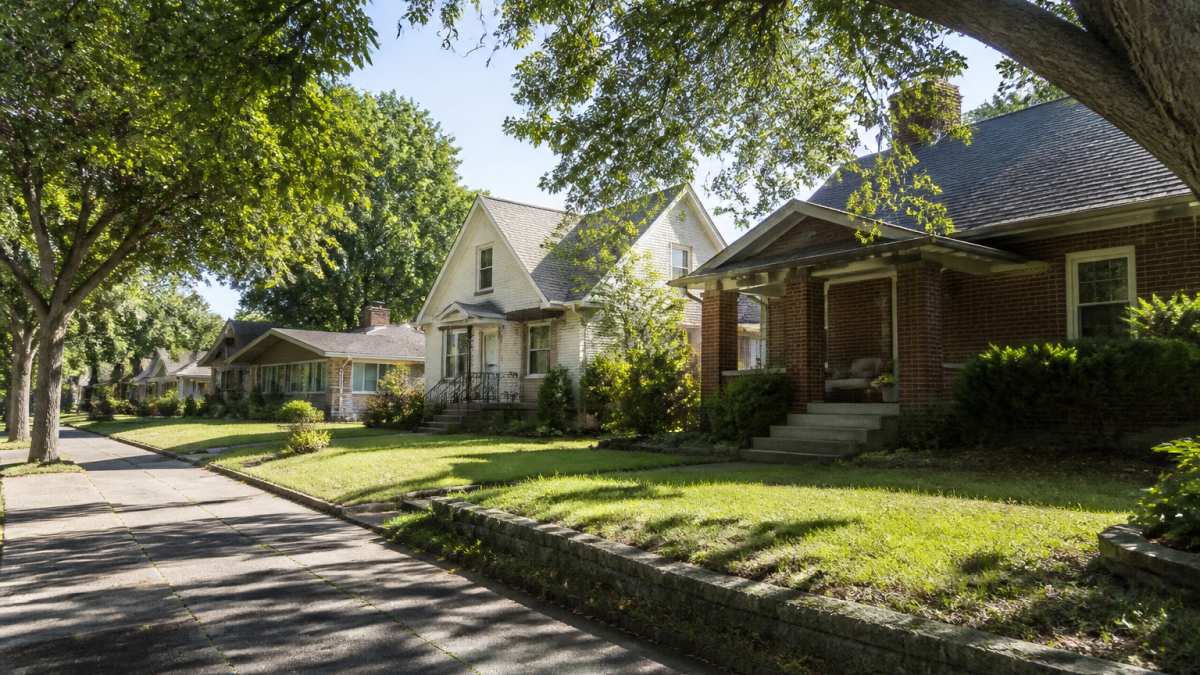
The North End's housing stock skews toward Craftsman, Victorian, and early 20th-century architecture, often in or near the North End historic district where renovation rules apply.
Boise historic homes in the North End appreciate differently than newer construction; buyers often pay premiums for original details and neighborhood prestige. But restoration must meet preservation standards, which can increase renovation costs 20-40% versus standard updates.
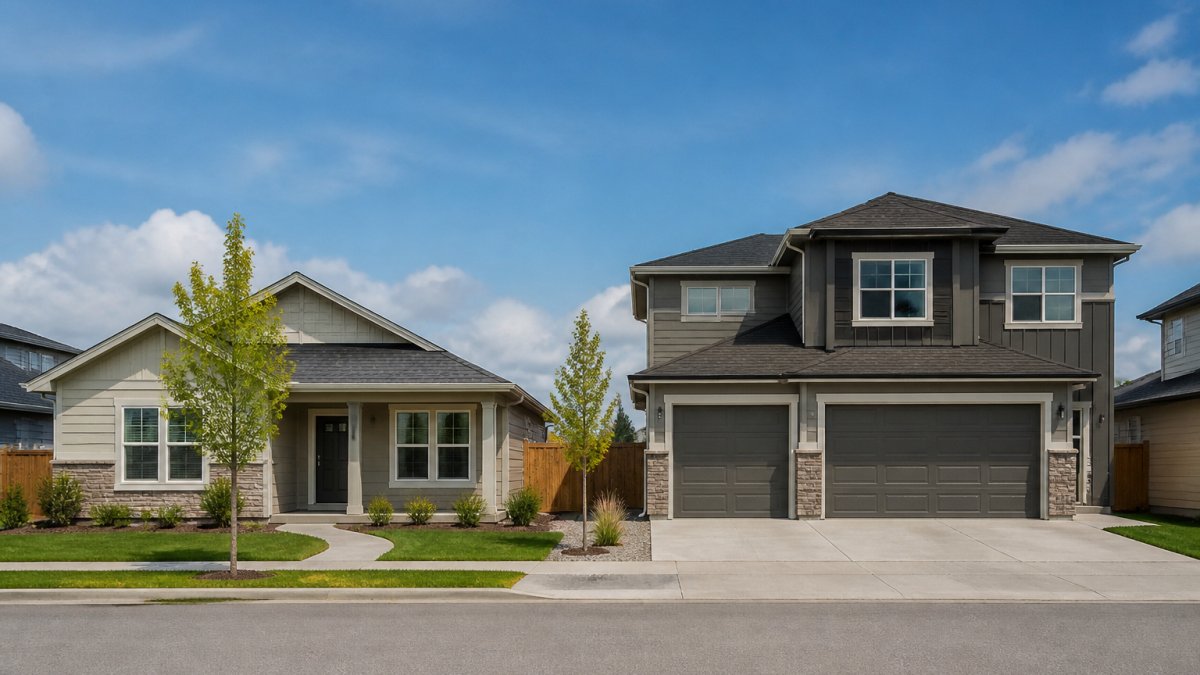
The Bench features a broader mix: mid-century homes dominate, with single-story layouts, large windows, and open floor plans, while newer construction tends toward contemporary designs. That variety appeals to buyers with different aesthetic preferences and renovation tolerance.
If you love period details and don't mind navigating preservation rules, the North End delivers. If you prefer move-in-ready homes or straightforward renovations without historic oversight, the Bench offers more flexibility.
Boise Homes with Basements: What You'll Find in Each Neighborhood
Basement availability differs significantly between neighborhoods and affects both livability and resale value.
North End homes, built in the early-to-mid 1900s, often lack full basements; many have crawl spaces or partial basements due to the era's construction methods and soil conditions. That limits storage, utility placement, and future expansion, if basement space is essential, you'll face fewer North End options.
Bench homes, particularly mid-century builds and newer construction, more frequently include full basements. This extra square footage, often unfinished and ready for customization, appeals to families needing storage, workshops, or future living space. The Bench's generally lower lot prices mean basement square footage costs less than North End equivalents.
For buyers planning long-term ownership or eventual resale, basement presence or absence affects property value. Homes with basements typically command 5-10% premiums in comparable markets, though this varies by condition and finish level.
Location, Commute, and Walkability: Downtown Access and Amenities
The North End sits closest to downtown Boise, with high walkability scores, restaurants, shops, and services are reachable on foot or by short bike ride.
The North End's proximity to downtown also means higher noise levels, more street traffic, and limited parking in some blocks. If you prioritize quiet and private parking, these factors matter.
The Bench offers a more suburban commute: downtown access requires a 10-15 minute drive depending on location, and public transit is less frequent than North End service.
Commute times to major employers in Eagle, Meridian, and Nampa favor the Bench. If your job sits east or north of downtown, a Bench location can reduce daily driving.
Bike infrastructure exists in both neighborhoods, though the North End has denser networks.
Schools, Parks, and Community: Which Neighborhood Fits Your Lifestyle
Family considerations often drive the North End versus Bench decision. Both neighborhoods serve families, but the context differs.
North End schools include Boise schools serving the area, with mixed reviews reflecting broader district trends. The neighborhood itself feels more urban, smaller yards, closer neighbors, more street activity. Families here tend to value walkability to school and community events.
Bench schools serve a more suburban population, with larger yards, quieter streets, and more traditional suburban family life. Bench parks tend to be larger and less crowded than North End equivalents.
Community character shapes daily life. The North End hosts more walkable local businesses, regular neighborhood events, and a younger, more transient population. The Bench attracts families seeking stability, space, and quieter surroundings.
Neither neighborhood is objectively "better" for families, it depends on whether you prioritize urban walkability or suburban space.
Making Your Decision: Total Cost of Ownership and Investment Potential
Comparing North End vs Bench housing requires looking beyond purchase price to total cost of ownership: maintenance, property taxes, utilities, and renovation needs.
North End homes typically carry higher annual maintenance costs due to age, budget 1-3% of home value yearly.
Bench homes, particularly newer construction, require less immediate maintenance, and utility costs tend to be lower due to modern efficiency standards, though larger homes may still have higher absolute bills.
Investment potential differs. The Bench appreciates through development and infill, as the neighborhood builds out, values rise. City of Boise's Housing Needs Analysis reports that 76% of new housing units added to Boise's inventory in 2023 were missing-middle or multifamily units, compared with 42% in 2018.
For buy-and-hold investors, the North End offers prestige and scarcity. For those seeking rental potential or long-term appreciation through neighborhood growth, the Bench presents compelling opportunity.
The right choice depends on your timeline, budget, and priorities. Both neighborhoods will perform well over the next decade, the question is which aligns with your specific situation.
Working with Scott Pearce means having an expert guide through these neighborhood comparisons. Whether you're a first-time buyer with a $300,000 budget, relocating from out of state, or an investor evaluating rental potential in Ada or Canyon County, Scott Pearce at Fathom Realty provides the reliable guidance you need. Get in touch with Scott Pearce today to explore homes in both neighborhoods and find the right fit for your next move.
Frequently Asked Questions
How do housing prices compare between the North End and the Bench?
The North End had a median sale price of $755,000 for the three months ending September 2026, down 5.7% year over year, according to Redfin. Zillow's separate home-value estimate for the North End averaged $732,438, up 5.7% over the past year. The Bench offers more square footage per dollar than the North End, making it attractive for buyers seeking space on a tighter budget. Direct Bench price data was not available in current sources, but agent commentary indicates the Bench provides better value per square foot while maintaining strong market demand.
Do houses in the North End or the Bench have basements?
Basements do appear more frequently in the Bench and parts of Southeast Boise than in the North End. When basements are present, they add significant value and storage. If a basement is important to your purchase, the Bench and surrounding areas offer better odds of finding one. Many homes in both neighborhoods use crawl spaces or slab foundations instead, so discuss foundation type with your agent when evaluating specific properties.
Which area is better for families: the North End or the Bench?
The choice depends on your priorities. The North End offers walkability to downtown Boise, established tree-lined streets, and proximity to urban amenities, making it ideal for families who value urban lifestyle and short commutes. The Bench provides more space per dollar, larger lots, newer construction options, and a quieter suburban feel, appealing to families prioritizing yard space and schools. Both neighborhoods have parks and outdoor recreation access. Visit each area during different times of day and talk to current residents to determine which community culture aligns with your family's needs.
What types of homes are common in the North End and on the Bench?
The North End features primarily historic and mid-century homes, often on smaller lots with character details like original woodwork and established landscaping. Many homes are older and require ongoing maintenance. The Bench offers a broader mix, including smaller midcentury homes, larger contemporary houses, and newer construction. The Bench typically provides more housing variety and newer homes with modern systems, while the North End emphasizes neighborhood character and walkability. If you prefer historic charm and are comfortable with renovation projects, the North End appeals; if you want newer construction or more space, the Bench offers more options.